
The Grand Nordic

Our flagship odyssey across all five Nordic lands — the journey of a lifetime.

Trusted by 10,000+
Luxury Travelers
Rated 4.9/5 on Google
& Trip Advisor
Tailored Adventure
for Over 10 Years

Duration

21

Price

$14,800

PEOPLE GOING

PACKAGE

Itinerary

Itinerary Details
    Tour Highlights
    Accommodations
    Package Includes

    Enquire Now

    Check availability and start your booking…

    No Fields Found.

    What Travelers Are Saying About Our Tours

    Stress-Free Payments with Our Simple Online Booking System

    Planning a group trip should be fun, not stressful. Our easy-to-use payment system eliminates the hassle of chasing down payments from your group, making booking smooth and simple.

    Our Partners

    Stay Connected on special offers

    Subscribe to Our Newsletter Today!

    Our Articles

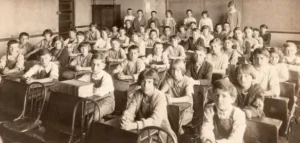
                                                       SCHOOL HISTORY

    School history covers the evolution of education from ancient oral traditions and elite religious schools (like Egyptian scribal schools or Indian gurukuls) to the development of formal systems in Greece and Rome, the religious focus during the Middle Ages, and the rise of universal, public schooling in the modern era, emphasizing literacy, vocational skills, and democratic access, influenced by figures like Horace Mann and driven by societal needs like industrialization and civil rights (Title IX).https://youtu.be/LcsZRRPQgvI?si=hjew76QVvMiF-uJd

    History Teaching Resources

    For UK and International Curriculum

    Since 1999, School History has been providing teaching materials for history teachers to save them hours in time.

    Today we are the most comprehensive online provider of history teaching resources and have helped teachers in every single country in the world.

    If you teach GCSE or International GCSE history, we are fully aligned with the 7 most important exam boards in the world: AQA, Edexcel, Edexcel International, OCR, CIE, WJEC and Eduqas.

    We also organise our materials by historical topic, which means you can easily teach any history topic to students aged 11-18.


    “Who Invented School?”: A History of Classroom Education


    The idea of school – grouping students together in a location for the purposes of leaning – has existed for thousands of years. Ancient Greece considered education in a gymnasium essential to childhood development. Ancient Rome was famed for its tuition-based system. Even Ancient India had the gurukul system of education where students would live, study and work near a guru. Modern “school”, however, is considered to be invented by Horace Mann, the Secretary of Education in Massachusetts, at the beginning of the 19th century.

    This article will answer that age-old question: “Who invented school?” We’ll take you through the beginnings of formal education in Ancient Greece, Rome, India and China – before covering education in the Middle Ages. Finally, you’ll learn about how the modern system of education was invented in the United States, beginning in Massachusetts and eventually spreading throughout the country.
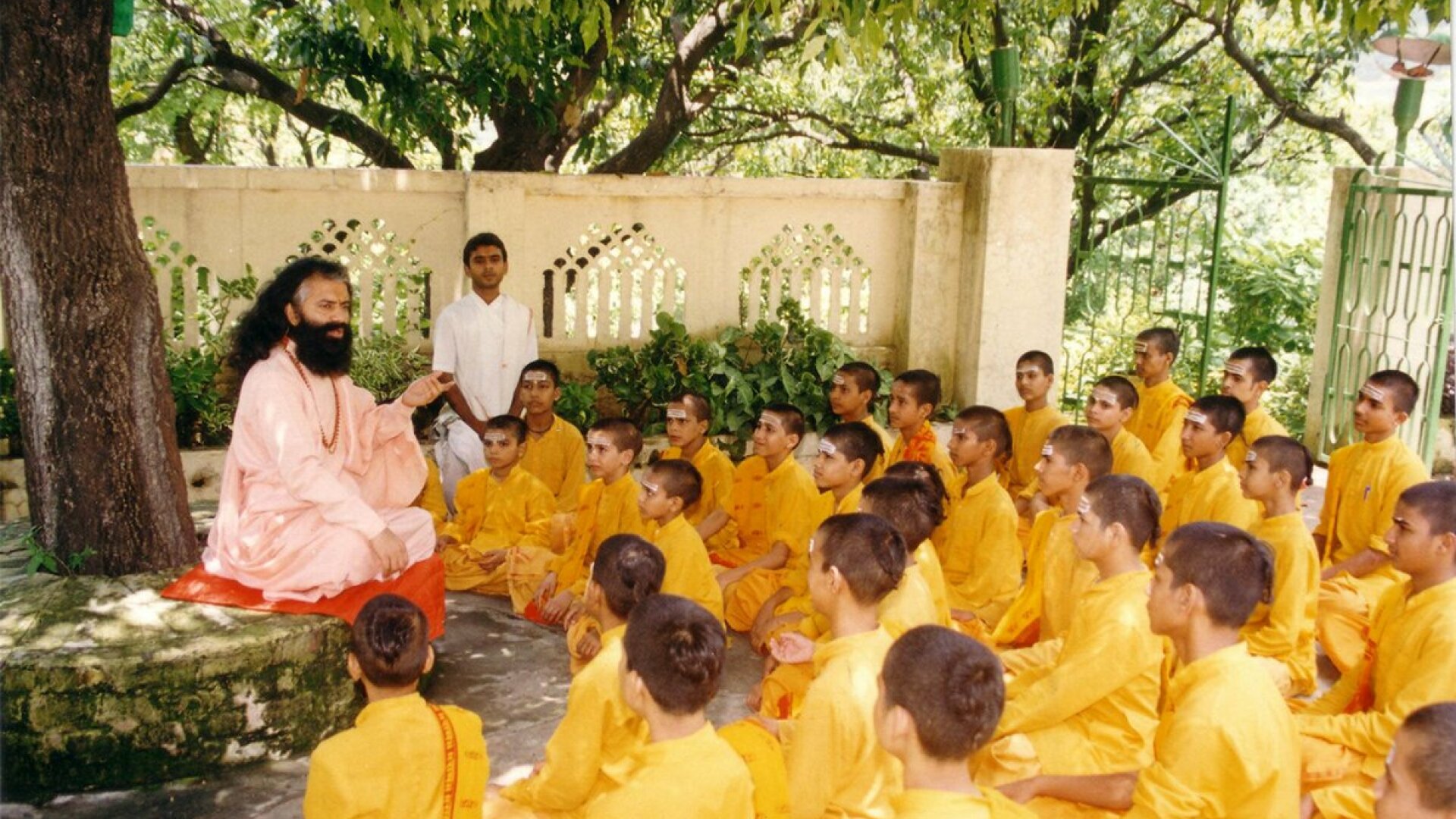
     

    Gurukul
    A Guru teaching students in India


    Ancient School: Greece, Rome, India and China


    Greece

    The idea of school can be traced all the way back to ancient Greece. Here when boys from wealthy families reached the age of 16, they were sent to tertiary education to study philosophy and rhetoric. If you wanted to become influential and powerful, understanding rhetoric was essential. Knowing how to speak and capture an audience meant you could lead a political rally or make a name for yourself on a court, and also become a well-known name at informal drinking parties that were called symposia.

    In the city-state of Ancient Sparta boys as young as 6 would leave their parents and take part in a state education system designed to instil discipline and obedience. At the age of 16, the boys joined an organization known as “krupteia,” a military police force. They were then sent to live in the Messenia jungle, where they were required to survive on their own and intimidate the local population. Education in Ancient Sparta therefore emphasised strength, military training and leadership, training youths in the art of war.


    Rome

    There were no official ‘schools’ in Ancient Rome. Instead, families would employ tutors who would teach the students at home. The conditions of the teaching facilities would vary. While a tutor teaching a wealthy family would do so in comfort and with high-quality facilities, many other tutors would teach in less-than-ideal surroundings. The Roman historian Suetonius (69 to c. 130/140 CE) refers to the room he taught in as a pergolaa porch or courtyard. Some teachers with fewer resources would even have to hold tutoring sessions in outdoor public spaces such as streets or town squares.

    As time progressed, education began to be done in larger groups. Quintilian (35-96 CE) believed that school was preferable to home education because of the social community that students had access to. So while some tutors (such as the poet Martial, c. 38/41 to c. 102/104 AD) had a maximum of 3 students, Quintilian tells us he had a ‘crowd’ in grammar and rhetorical schools.


    Ancient India
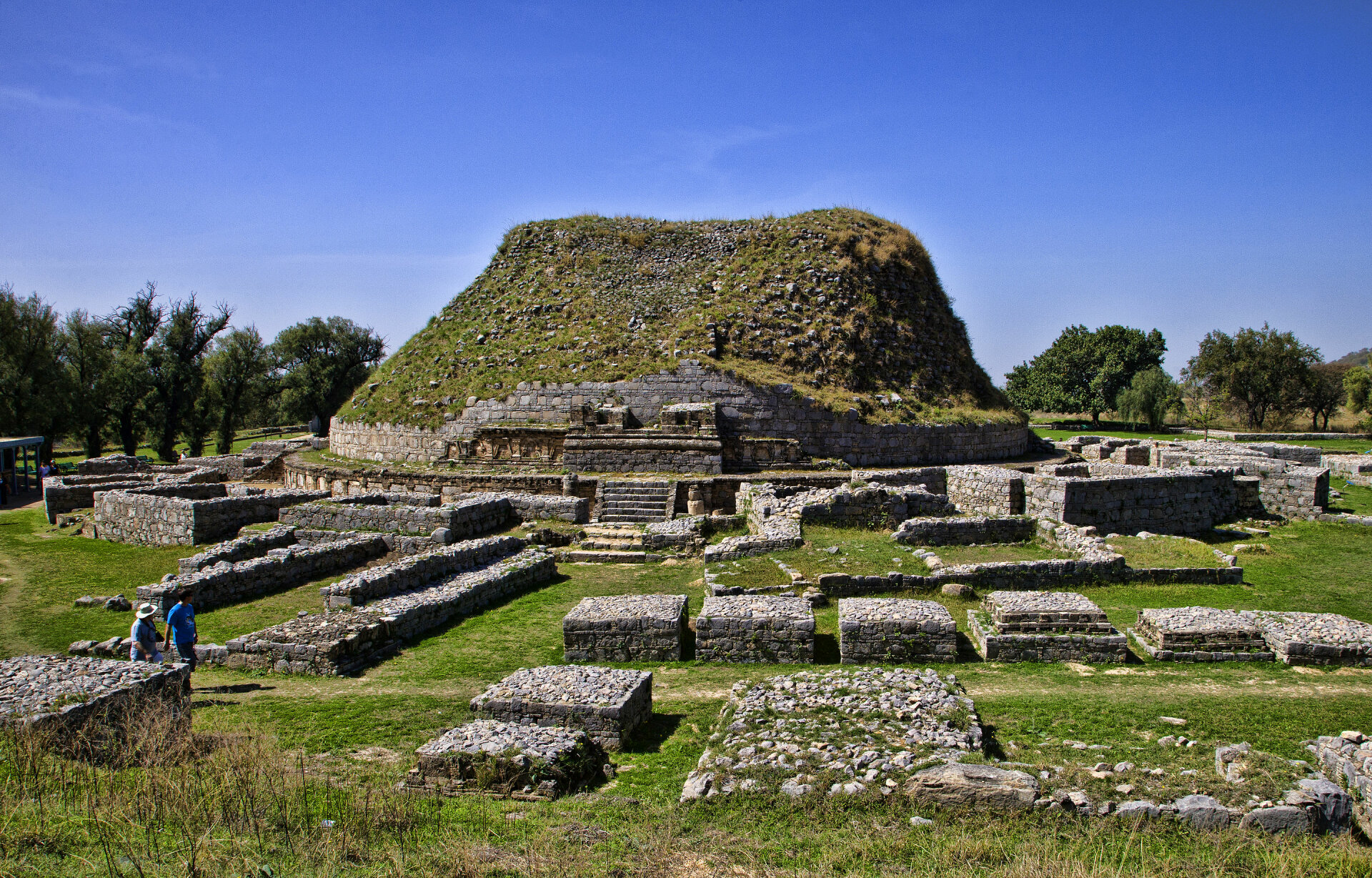
    University in Ancient India
    Ruins of University of Taxila


    School in Ancient India centered around the figure of the guru. Children would leave their family and home in order to live with this guru in what was called a gurukul. This form of education didn’t demand any fees, it was completely free but dependant on one thing: physical labour. So while the guru would take care of everything, providing food, clothes, and shelter; the child would be expected to work on the land daily. This is how they ‘paid’ for their education.

    Ancient India actually had two ‘systems’ of education, Vedic and Buddhist. Subjects covered in the Vedic system were ritualistic knowledge, metrics, grammar, phonetics and astronomy, along with history, logic and reasoning. In the Buddhist system, children would learn about law, performing arts, ethics, art, architecture and military science.


    Ancient China

    Ancient China had a surprisingly developed form of school education. The first schools were created as far back as the Xia dynasty (2070 BC-1600 BC). Here the schools were divided between those that took the children of the nobility and those where children of ordinary citizens studied. State schools were exclusively for the children of the nobility. These schools were made up of both elementary schools and higher-level colleges. On the other hand, village schools, which were also referred to as local schools, were categorized into four levels: shuxiangxu, and xiao. Generally, students who performed well in shu would progress up to xiang and so on. The most determined and persistent students would make it to xiao and, if they performed well, stood a chance at going to college.


    Schools in the Middle Ages

    History in the Middle Ages 

    School in medieval Europe was mostly run by the church. The goal of these monastic and cathedral schools was to train future clergy and monks. Learning was mainly focused on religious education, reading and writing Latin and studying scripture.

    Students were taught the ability to memorize and interpret Bible passages, learn about the lives of saints, and understand theological concepts. Christian moral and ethical values were emphasized, with teachings on the sacraments, the Ten Commandments, and principles of Christian living.

    While the majority of the education focused on Christian principles, students would also be exposed to arithmetic, writing, and grammar. Most of this was related to practical skills people needed to be part of society: arithmetic was mainly confined to basic calculations related to business and trade, while writing was crucial for communication, record-keeping, and creating religious documents.


    Horace Mann and the Invention of School
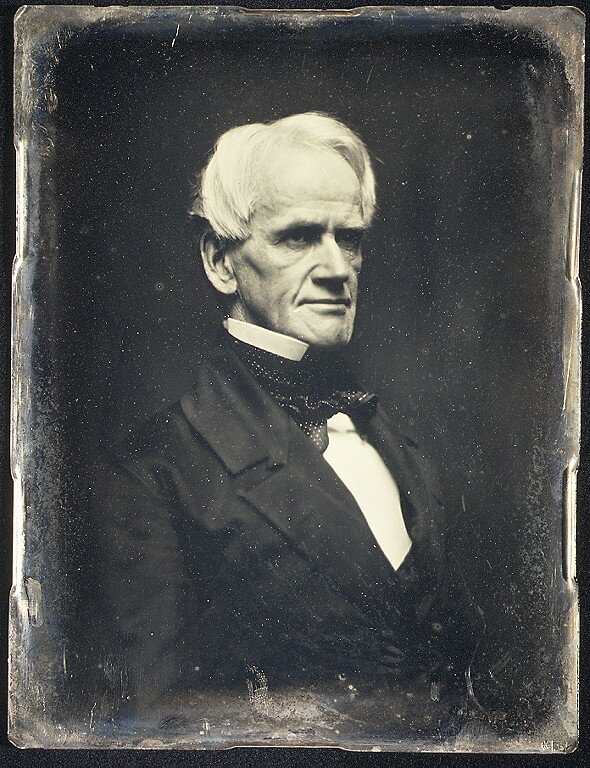
    Horace Mann
    Horace Mann


    While medieval Europe and ancient civilizations had systems of education, these can’t really be considered ‘modern’ school. The person who is considered to have invented the concept of school is Horace Mann. Born in 1796, Mann was a pioneer of educational reforms in the US State of Massachusetts. After he became Secretary of Education in 1837, he undertook one of the biggest education reforms in American history.

    While he was Secretary of Education, Mann went around the state holding teachers’ conventions, delivering lectures and introducing reforms. One of the key things Mann did was to persuade his fellow modernizers to create laws that supported tax-funded education in their states. These ‘Common Schools’, as they were known, were created to educate all children regardless of region or district – and because they were tax-funded, all children could attend them.

    A big part of the success of these schools was the idea that all teachers had to have the same basic training. Teachers would have to attend ‘normal schools’ or teacher training colleges to learn how to teach. This meant, in theory, all teachers would have the same, standardized teacher training.

    Mann’s vision was to unite children from all social classes through education, creating a shared learning experience. He believed that education in common schools would help to bridge the gap between the less fortunate and the privileged, creating a more equal society.


    Education Today

    While much has changed since the days of Horace Mann, schools today still rely on the same ideas of standardized tests and taxpayer revenue that came from Horace’s era of common schools. What’s largely changed is the curriculum. Schools today teach innovative STEM and STEAM education programs that capture students’ imagination through real-life technical education. These often rely on cutting-edge teaching and learning equipment that can give children a complete understanding of how theoretical knowledge can be translated into hands-on learning experiences.


     

    New Zealand is a country known for its incredible natural beauty, diverse landscapes, and rich culture. Whether you’re planning your first visit or returning for more, experiencing New Zealand by coach tour offers the perfect way to relax, explore, and enjoy all that this stunning country has to offer. From breathtaking vistas to unique cultural experiences, here’s why a coach tour is one of the best ways to see New Zealand.

    Stress-Free Travel with Expert Guidance

    One of the biggest advantages of choosing a coach tour in New Zealand is the stress-free travel experience. With everything organised for you, there’s no need to worry about navigating unfamiliar roads, finding accommodation, or making last-minute plans. Coach tours allow you to sit back, relax, and enjoy the journey while an experienced driver-guide takes care of all the details. From your hotel pick-up to drop-off, you’ll be fully supported along the way.

    Explore Iconic Landmarks and Hidden Gems

    New Zealand is home to some of the world’s most beautiful landscapes. On a coach tour, you’ll visit iconic destinations like Queenstown, Rotorua, Milford Sound, and Aoraki/Mount Cook, while also discovering hidden gems that aren’t always on the typical tourist trail. The best part? You won’t have to stress about planning your route—your coach tour itinerary is designed to ensure you see both the famous landmarks and the quieter, off-the-beaten-path treasures of New Zealand.

    Comfortable and Scenic Travel

    Comfort is key when it comes to long drives, and New Zealand’s coach tours offer the perfect way to travel in style. With modern, spacious coaches designed for comfort, you’ll enjoy large windows that give you unobstructed views of New Zealand’s stunning landscapes. Whether you’re cruising along the shores of Lake Wakatipu, winding through lush forests, or stopping for photo ops at dramatic cliffs, the scenery will be just as breathtaking as the destinations themselves.

    Tailored Itineraries for Every Interest

    One of the greatest benefits of a coach tour is the variety of itineraries available. Whether you’re interested in exploring New Zealand’s natural wonders, learning about its rich Māori heritage, or seeking adventure, there’s a coach tour tailored to your preferences. Some tours focus on cultural experiences, such as visiting Māori villages and learning about indigenous traditions, while others prioritise adventure and outdoor activities like hiking and wildlife viewing.

    Relaxed Pace, Plenty of Free Time

    While coach tours are structured, they also allow for plenty of downtime to explore on your own. You’ll have free time to wander through charming towns, visit local cafes, or even take part in optional activities like wine tasting or spa treatments. The relaxed pace ensures you won’t feel rushed, allowing you to enjoy each destination fully.

    A Social Experience

    Coach tours are also an excellent way to meet like-minded travellers from all over the world. With group sizes typically ranging from small, intimate gatherings to larger, more social groups, coach tours create a sense of camaraderie and shared adventure. Whether you’re travelling with friends or on your own, you’ll have the chance to connect with others and make lasting memories.

    Conclusion

    A coach tour in New Zealand is the ultimate way to experience the country in comfort, convenience, and style. With an expertly planned itinerary, stress-free travel, and the opportunity to discover both iconic landmarks and hidden gems, you’ll have an unforgettable adventure.

    Ready to relax, explore, and enjoy the best of New Zealand? Explore our New Zealand coach tour packages today and start planning your dream holiday.

    New Zealand is a dream destination for many, offering stunning landscapes, unique wildlife, and vibrant cities. For first-time visitors, the sheer variety of attractions and routes can be overwhelming. That’s where coach tours come in. These tours provide a structured, hassle-free way to experience the country’s highlights, ensuring you don’t miss a thing while travelling in comfort and style. Here’s why New Zealand’s coach tours are the perfect choice for first-time visitors.

    Stress-Free Travel and Expert Guidance

    When you’re visiting a new country, figuring out logistics can be a headache—especially when you want to see as much as possible in a short time. Coach tours eliminate that stress by handling all the details for you. With everything from accommodation to transportation arranged, all you need to do is sit back and relax. Experienced guides share their knowledge, enriching your trip with local insights, history, and stories about the places you visit. It’s the easiest way to explore New Zealand without any of the planning headaches.

    Visit Iconic New Zealand Attractions in Comfort

    New Zealand is full of must-see attractions, and a coach tour ensures you’ll experience all the famous spots, from the rolling hills of Hobbiton to the majestic fjords of Milford Sound. For first-time visitors, having a pre-planned itinerary means you won’t have to worry about missing out on the best spots. Plus, coach tours are designed to maximise your comfort, with spacious, modern coaches that offer large windows, comfortable seating, and air conditioning—perfect for long drives between destinations.

    Tailored for First-Time Visitors

    A coach tour is an excellent way for first-time visitors to get a comprehensive overview of New Zealand. These tours are crafted to showcase the diversity of the country’s landscapes, from the geothermal wonders of Rotorua to the stunning beaches of the Coromandel Peninsula. Whether you’re looking to immerse yourself in Maori culture, hike through lush forests, or simply take in scenic vistas, a coach tour provides a well-rounded introduction to all that New Zealand has to offer.

    Local Insights and Hidden Gems

    While visiting iconic landmarks is important, a coach tour also gives you access to local insights that most tourists miss. Your guide will take you to hidden gems—lesser-known spots that are off the typical tourist track. Whether it’s a charming town, a secluded beach, or a scenic viewpoint, these stops allow you to experience the authentic side of New Zealand. For first-time visitors, this means you’ll get a more immersive and unique experience, beyond the usual tourist hotspots.

    Social and Relaxed Atmosphere

    One of the best parts of a coach tour is the social aspect. If you’re travelling solo or with a small group, a coach tour allows you to meet like-minded travellers from all over the world. The relaxed atmosphere encourages socialising, and many first-time visitors make lifelong friends during their tours. Plus, you’ll have the opportunity to share experiences and recommendations with fellow travellers, making your journey even more enjoyable.

    Conclusion

    For first-time visitors, New Zealand’s coach tours are the perfect way to experience the country’s diverse landscapes, rich culture, and unique attractions. With all the details taken care of, you can simply relax and enjoy the beauty of New Zealand at your own pace.

    👉 Ready to explore New Zealand with ease? Check out our coach tour packages and start planning your unforgettable trip today.

    Classic North Island Explorer 1
    From $2300

    Classic North Island Explorer 1

    From $2300